
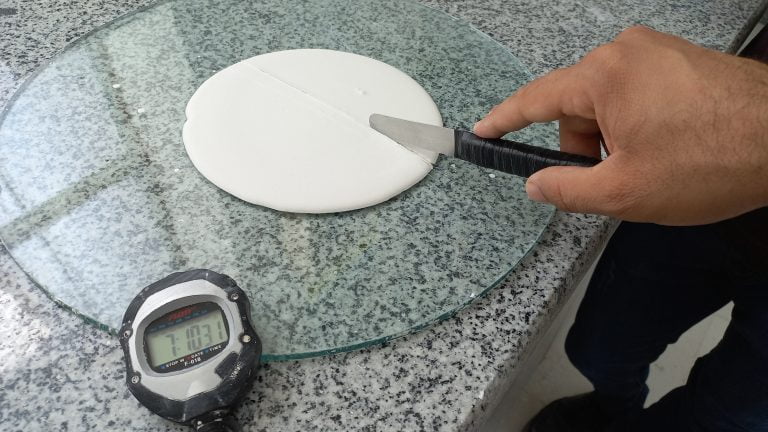
Gypsum Plaster Setting Gypsum is conveyed to furnace – like lime – after excavation, crushing, and grinding, where it's heated up to 180°C. So it loses some water molecules and can be used in for of hemihydrate gypsum as construction or casting material. Gypsum is naturally white. yet might appear...
Category: Gypsum plaster
What is Gypsum Plaster?
Gypsum plaster is one of the oldest building materials used in construction and has been used for thousands of years. The use of gypsum plaster dates back to the Neolithic period, around 7000 BCE. when it began to replace mud mortar. As a means of connecting masonry parts, sealing seams in walls, and providing a smooth surface for decoration purposes.
Making gypsum plaster process involves first heating gypsum rock to a high temperature to drive off water content. and create calcium sulfate hemihydrate, also known as plaster of Paris. This powder can then be mixed with water to create a workable paste. that can be applied to walls, ceilings, and other surfaces. Gypsum has many advantages over other building materials. It’s fire-resistant, mold-resistant, and has good sound insulation properties. It also has smooth surface that can be easily decorated with paint or wallpaper. These qualities have made gypsum plaster popular material for use in both historical and modern construction projects.