
Storage of Gypsum Powder
Understanding the Lifespan of Gypsum Materials
When planning a construction or renovation project, understanding the Shelf Life & Storage of Gypsum Powder | How Long Does It Last? and Expiration Tips is essential for ensuring the structural integrity of your work. Gypsum powder is a versatile mineral used extensively in plastering, drywall manufacturing, and artistic casting, but its effectiveness is highly dependent on how it is handled after purchase. Generally, the gypsum powder shelf life is estimated to be around six to twelve months when kept in its original, unopened packaging under ideal conditions.
However, this timeframe can fluctuate significantly based on the environmental variables of your storage facility or job site. If you are using a high-quality gypsum powder, you might expect a bit more resilience, but the chemical nature of the material remains sensitive to the world around it. Once the seal is broken, the clock begins to tick much faster as the powder becomes exposed to ambient air and moisture. Professional contractors always recommend checking the manufacture date before starting a large-scale application to avoid the frustrations of using degraded material. By prioritizing proper storage from day one, you can extend the usability of your supplies and minimize unnecessary waste in your budget.
The Impact of Humidity and Moisture on Gypsum
Moisture is the primary enemy of gypsum powder shelf life and can render even the best gypsum powder completely useless in a very short amount of time. Gypsum is a hydrous calcium sulfate, meaning its chemical structure is naturally inclined to interact with water molecules found in the air. When the powder absorbs moisture, a process called pre-hydration begins, leading to the formation of small lumps or a gritty texture known as warehouse set.
This premature reaction prevents the powder from dissolving correctly when you finally mix it for application, resulting in a weak, brittle finish that lacks the necessary compressive strength. Even in relatively dry climates, seasonal changes can bring enough humidity to compromise bags stored in unheated garages or damp basements.
To prevent this, it is crucial to keep the powder in a climate-controlled environment where the relative humidity remains low and consistent throughout the year. If you notice any clumping or a change in the weight of the bag, it is a clear indication that moisture has permeated the packaging. Protecting your investment requires a proactive approach to keeping the storage area bone-dry and shielded from any potential water leaks or spills.
Optimal Temperature Settings for Long-Term Storage
While moisture is the most significant threat, temperature fluctuations also play a vital role in maintaining the quality of your gypsum supplies over several months. Ideally, gypsum should be stored in a cool, dry place where temperatures remain stable, preferably between 10 and 25 degrees Celsius.
Extreme heat can cause the paper packaging to become brittle or may even alter the chemical accelerators and retardants often found in specialized plaster mixes.
On the other hand, extreme cold itself may not damage the dry powder, but the condensation that occurs when a cold bag is moved into a warm room can introduce unwanted moisture. This internal condensation is a silent killer of gypsum powder shelf life because it happens inside the bag where it cannot be easily seen until it is too late. Therefore, avoiding storage areas that back up to exterior walls or sit under metal roofs that bake in the sun is a smart strategy for preservation.
By choosing a central, insulated location for your materials, you ensure that the chemical properties of the powder remain dormant until they are intentionally mixed with water on the job site.
Strategic Pallet Stacking and Ground Clearance
One of the most overlooked aspects of the Shelf Life & Storage of Gypsum Powder involves the physical placement of the bags within a warehouse or storage shed. You should never store bags of gypsum powder directly on a concrete floor, as concrete is porous and can wick moisture upward into the product through a process called capillary action. Instead, always use wooden or plastic pallets to elevate the bags at least four to six inches off the ground to allow for adequate airflow underneath the stack.
Similarly, it is wise to leave a small gap between the stack of gypsum and the surrounding walls to prevent moisture transfer from the building structure itself. When stacking the bags, try to limit the height to avoid excessive pressure on the bottom layers, which can cause the powder to compact and lose its fluffy, easy-to-mix consistency.
Rotating your stock using the first-in, first-out method ensures that older bags are used before they exceed their recommended gypsum powder shelf life. This systematic approach to physical storage not only protects the powder from dampness but also makes inventory management much more efficient for long-term projects.
How to Identify Expired or Degraded Gypsum
Recognizing the signs of expired gypsum is a critical skill for any DIY enthusiast or professional builder to ensure the safety and longevity of their constructions. The most obvious indicator that the gypsum powder shelf life has been exceeded is the presence of hard lumps that do not break apart easily between your fingers. If you try to mix these lumps into water, they will rarely dissolve completely, leaving your plaster or joint compound with a grainy texture that is impossible to sand smooth.
Another subtle sign of degradation is a change in the setting time; expired gypsum may either set much faster than usual or fail to harden at all, depending on how the internal chemicals have broken down. The best gypsum powder should have a consistent, fine, and flour-like appearance that stays uniform throughout the entire bag without any discoloration.
You can also perform a small patch test by mixing a handful of the powder and observing how it adheres to a surface and how long it takes to reach full hardness. If the material feels “dead” or lacks its characteristic stickiness, it is far safer to dispose of the bag than to risk a structural failure on your project walls.
Resealing Open Bags for Maximum Protection
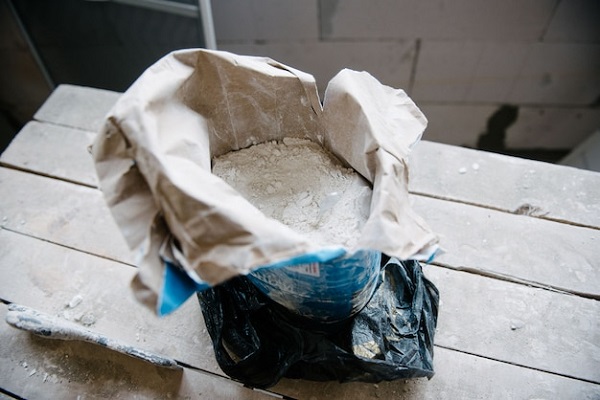
Once a bag has been opened, the original shelf life estimates are essentially voided unless you take immediate steps to reseal the container effectively. Simply folding the top of the paper bag over is rarely enough to keep out the humidity that ruins gypsum powder shelf life over a period of weeks. A much better practice is to transfer the remaining powder into a heavy-duty plastic bucket with a Gamma seal lid or a similar airtight container.
If you must keep it in the original bag, place the entire bag inside a thick contractor-grade trash bag and tie it tightly to create an additional vapor barrier. Label the new container with the date it was opened and the original expiration date so you can track its usability moving forward. Even with these precautions, opened powder should ideally be used within thirty to sixty days to ensure it performs as expected during application.
Taking these extra minutes to secure your leftovers can save you a significant amount of money and prevent the need for more frequent trips to the hardware store for fresh supplies. Always remember that the best gypsum powder is only as good as the care you take in protecting it from the elements after the first use.
Best Practices for Inventory Management
Managing your supply chain involves more than just buying the right materials; it requires a strategic look at how you handle your stock of gupsum powder over time. For businesses or individuals who buy in bulk to save costs, it is vital to maintain a log of when each batch was delivered and where it was sourced from.
Keeping a clean, organized storage area reduces the risk of bags being forgotten in a corner until they have well exceeded their gypsum powder shelf life. It is also beneficial to avoid over-ordering, as having fresh material is usually more important than having a massive surplus that risks spoiling in the shed. If you find yourself with an excess of material nearing its expiration, consider using it for non-critical tasks like filling deep voids or creating non-structural decorative elements.
By being mindful of your consumption rates, you can tailor your purchases to match your project timelines precisely. This level of organization ensures that every bag you open provides the maximum strength and smooth finish that the best gypsum powder is known for in the industry.